
ISSX 2026
Hilton San Francisco Union Square, San Francisco, California
October 11, 2026 - October 14, 2026Meet ATCC at ISSX 2026 booth #311
Building more predictive models for therapeutic discovery
The ISSX 27th North American Meeting brings together scientists advancing drug metabolism, pharmacokinetics, and translational research through new therapeutic modalities and emerging technologies. ATCC supports the development of more predictive in vitro models and testing strategies with authenticated biological materials, physiologically relevant cell systems, and associated omics data. Together, these resources help researchers generate actionable insights that improve confidence in safety assessment, toxicity testing, and drug development decision-making.
Would you like to speak to one of ATCC’s representatives about a product or service? Make an appointment with us
Check Out Our Poster
Modeling MASLD with Primary Human Hepatocytes in a Physiologically Relevant Microfluidic Platform
Presenter: Changsuk Moon, PhD, Senior Scientist, ATCC | Date: October 13, 2026 | Time: 12:45 PM – 1:30 PM | Poster Number: P80
Learn how primary human hepatocytes can be used in a microfluidic microphysiological system to create a physiologically relevant metabolic dysfunction-associated steatotic liver disease (MASLD) model that reproduces key disease features and supports translational toxicology and drug discovery research.
Meet our scientists
Abhay U. Andar, PhD
Lead Scientist, Microphysiological Systems, ATCC
Dr. Abhay U. Andar has over 13 years of experience in translational oncology, microfluidics, and advanced in vitro disease modeling. At ATCC, Dr. Andar leads the Human Cancer Model Initiative (HCMI) portfolio, which includes over 300 patient-derived cancer models spanning 28 indications. His research focuses on developing organoid systems to support therapeutic discovery and translational research in oncology. Dr. Andar earned his Ph.D. and M.Sc. in Biomedical Science and Engineering from the University of Glasgow, and a B.Sc. in Life Sciences from the University of Mumbai. He has authored numerous publications and patents in cancer research, microfluidics, and therapeutic manufacturing, with work featured in Nature Materials, Nature Biomedical Engineering, Lab on Chip, Cancer Research, and Biotechnology and Bioengineering. Dr. Andar’s innovations in Tumor-on-Chip platforms, organoid generation, and immune co-culture systems continue to shape the future of personalized medicine and drug discovery.
Changsuk Moon, PhD
Senior Scientist, ATCC
Changsuk Moon, PhD, is a Senior Scientist at ATCC where she has been developing advanced 3-D in vitro models and microphysiological systems for translational and preclinical research since 2023. Before joining ATCC, she spent over eight years in Boston-area biotechnology and pharmaceutical companies, where she led programs in rare diseases, in vitro model development, assay development, drug screening, and mechanism-of-action studies. Her expertise includes organoids, organ-on-a-chip technologies, primary human cell models, and translational platforms that bridge preclinical research and clinical application. She is dedicated to advancing human-relevant models that improve drug development efficiency and predictive safety assessment.
Explore our featured portfolios
Primary human hepatocytes
Primary human hepatocytes are considered the gold standard for in vitro liver models due to their high predictive value in drug metabolism and toxicity studies. They can provide early insights into how a drug will behave in the human body, potentially reducing the risk of adverse effects in clinical trials. ATCC HepatoXcell™ hepatocytes are meticulously isolated and characterized to ensure the highest quality and performance for your drug development and toxicity testing needs.
Explore primary human hepatocytesOrganoids
During the drug discovery process, having access to models that recapitulate tumor properties is essential for predictive screening. ATCC provides patient-derived 3-D organoid models annotated with molecular and clinical data that represent a variety of healthy and cancerous tissues. These next-generation cancer models are capable of long-term expansion in culture while remaining phenotypically and genetically stable.
Explore patient-derived organoidsExplore our featured resources
Primary Human Hepatocytes
Discover how HepatoXcell™ can support your predictive drug development and toxicity testing.
More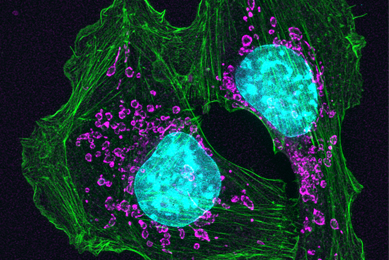 Culture guide
ATCC Animal Cell Culture Guide
This guide contains general technical information for working with animal cells in culture, including media, subculturing, cryopreservation, and contamination.
More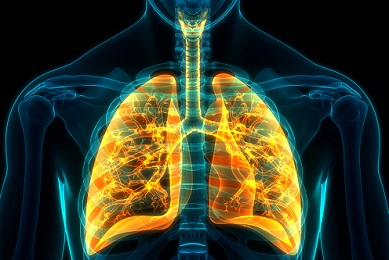 Application note
Comparing Toxicological Responses Between ALI-Incubated Primary Airway Epithelial Cells and Undifferentiated Counterparts
In this application note, we show that self-constructed airway models may serve as useful tools future airway toxicity research.
More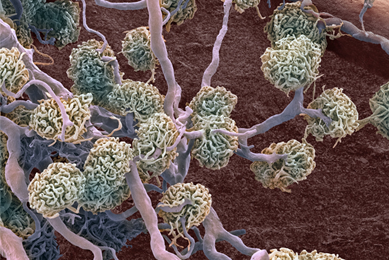 Application note
Genetically Modified Renal Proximal Tubule Epithelial Cells - A Physiologically Relevant Renal Solute Carrier Uptake Model for Drug Toxicity Studies
We created three different hTERT-immortalized human primary renal proximal tubule epithelial cells (RPTEC) that stably express the OAT1, OCT2, and OAT3 proteins. We then tested the ability of these cells to intracellularly convey known SLC protein substrates.
More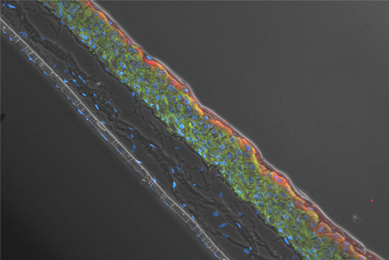 Application note
hTERT-immortalized and Primary Keratinocytes Differentiate into Epidermal Structures in 3D Organotypic Culture
In this study, we confirmed that an immortalized keratinocyte cell line, Ker-CT, is able to differentiate into organotypic skin equivalents in a 3D culture model
More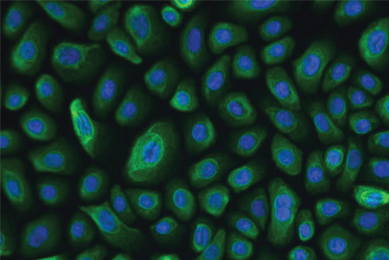 Brochure
hTERT-immortalized Primary Cells
Enjoy the best of all worlds with human telomerase reverse transcriptase (hTERT)-immortalized Primary Cells from ATCC.
More Brochure
Primary Cell Solutions
ATCC Primary Cell Solutions is a system of matched components designed to boost growth, maximize functionality, and maintain normal morphology for each primary cell type.
MorePrimary Human Immune Cells
ATCC primary immunology cells are able to support complex, physiologically relevant research projects, including toxicity screening, transplantation and graft rejection, inflammation and allergy, vaccine, drug development, and cancer immunology studies.
More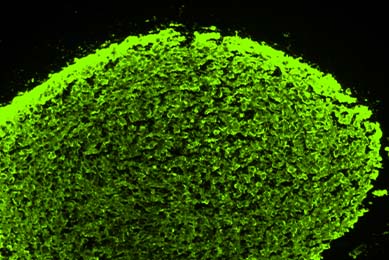 Application note
Establishment of 3-D Neurosphere Culture from Human iPSC-Derived Neural Progenitor Cells
This report describes a straightforward and robust method of generating neurospheres from neural progenitor cells
MoreThawReady™ Assay Ready Cells
Eliminate lengthy cell expansion protocols with ThawReady™ Assay Ready Cells. Go from frozen to data in one day!
MoreHuman Cancer Models Initiative (HCMI)
ATCC offers a growing collection of models generated by the HCMI, which will include both common as well as rare and understudied examples of cancer from numerous tissues
MoreRNA-seq Reveals Comprehensive Gene Expression Landscape in Primary Human Hepatocytes
This application note shows how RNA-seq reveals key gene expression differences in primary human hepatocytes from different donors.
MoreContact us today
Your ATCC sales representative stands ready to discuss your research needs and provide you with personalized care. Please complete our form to let us know how we can help, and we will start working on your needs right away.
