ATCC 100 Years Logo Anniversary ATCC 100 Years Logo Anniversary Cart 0
  • Careers
  • Support

MicroQuant™ Penicillium chrysogenum, high CFU (Pack of 5)

10106-HQ-PACK

Microquant logo

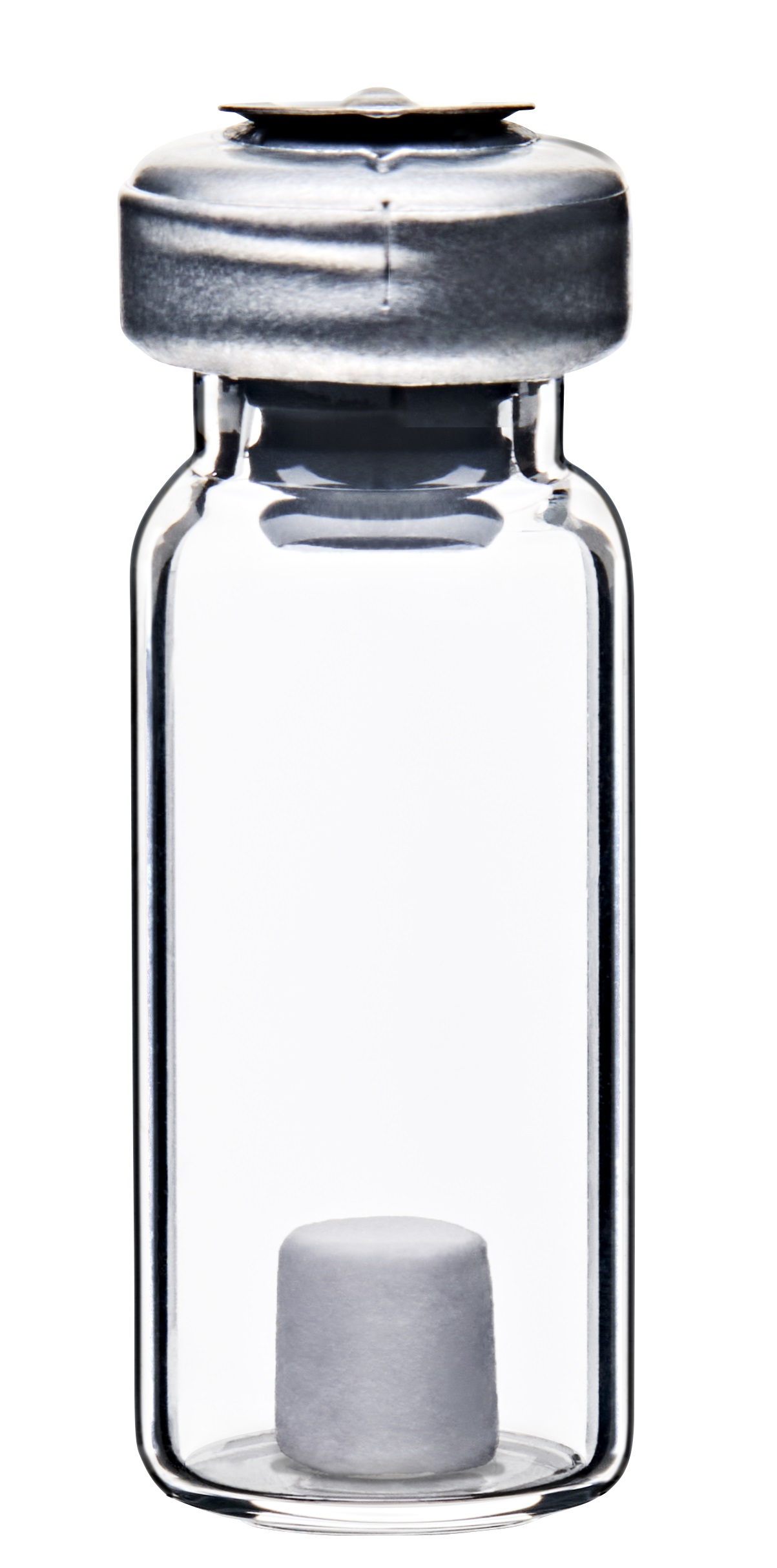
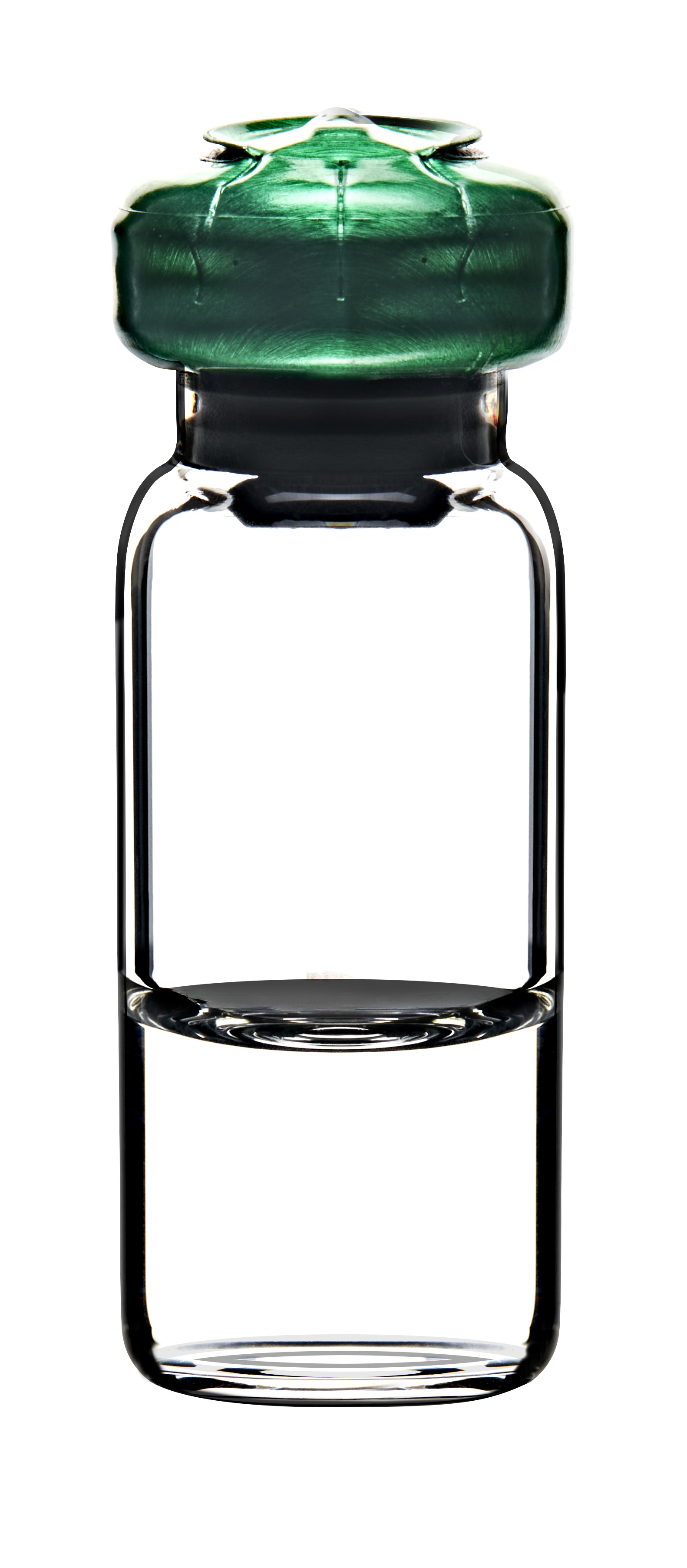
MicroQuant™ Penicillium chrysogenum (high CFU) is a quantitated, best-in-class control. This ISO 17034 reference material is provided as a pack containing 5 vials of cryopreserved pellets (107 to 108 CFU per vial, supporting 5 assays per vial) and 5 vials of rehydration buffer. This convenient, single-use format rehydrates immediately and is easy to use and store.

Product category
Fungi
Strain designation
NRRL 807 [26, CBS 306.48, IMI 24314, LSHB Ad3 LSHB P19, QM 7500]
Type strain
Yes
Isolation source
Cheese
Geographical isolation
United States; Connecticut
Applications
Quality control
Pharmaceutical testing
Shelf Life
2-8°C for 12 months
Shipping information
5 vials of cryopreserved pellets and 5 vials of rehydration buffer
Storage conditions
2°C to 8°C
Buy Now
Price: $500.00 ea
Discounts may be available for our fellow nonprofit organizations. Login to see your price.

Generally ships within 1-3 business days

Documentation

ATCC determines the biosafety level of a material based on our risk assessment as guided by the current edition of Biosafety in Microbiological and Biomedical Laboratories (BMBL), U.S. Department of Health and Human Services. It is your responsibility to understand the hazards associated with the material per your organization’s policies and procedures as well as any other applicable regulations as enforced by your local or national agencies.

ATCC highly recommends that appropriate personal protective equipment is always used when handling vials. For cultures that require storage in liquid nitrogen, it is important to note that some vials may leak when submersed in liquid nitrogen and will slowly fill with liquid nitrogen. Upon thawing, the conversion of the liquid nitrogen back to its gas phase may result in the vial exploding or blowing off its cap with dangerous force creating flying debris. Unless necessary, ATCC recommends that these cultures be stored in the vapor phase of liquid nitrogen rather than submersed in liquid nitrogen.

Detailed product information

General

Specific applications
MicroQuant™ products are available in both high and low CFU formats. Selection of low or high CFU MicroQuant™ products would be dictated by the guidelines for the microbial QC test being performed and the amount of material needed to execute such tests.

Produces chrysogenin
Quality control strain
Potential pigment producer
Recommended as a test microorganism for USP <72> Respiration-Based Microbiological Methods for the Detection of Contamination in Short-Life Products
Preceptrol
No

Characteristics

Comments

MicroQuant™ strains are best-in-class controls developed to support USP General Chapters. These precisely quantitated controls are provided in a single-use format that rehydrates immediately and is easy to use and convenient to store. MicroQuant™ strains are direct from ATCC—passage zero.

MicroQuant™ Penicillium chrysogenum, high CFU (ATCC 10106-HQ-PACK™) is provided as spores.

Handling information

Handling procedure
  1. Remove the desired number of cryopreserved reference culture vials (gray crimp) and rehydration buffer vials (green crimp) from 2-8°C storage and place into a biosafety cabinet. One vial of rehydration buffer should be used for each vial of reference culture.
  2. Uncap each vial. Add 0.5 mL of rehydration buffer to the reference culture vial. Recap the vial and allow the pellets to dissolve for 30 seconds. Note: To ensure that an optimal titer range is maintained throughout the 8-hour post rehydration usability window, a 0.5 mL fill volume is used.
  3. Vortex on the high setting for 30 seconds to ensure the suspension is well mixed. The suspension is now useable and contains 107 to 108 CFU per mL. The suspension can be used immediately or stored at 2-8°C for up to 8 hours. Note: Before plating, gently pipette the suspension up and down five times to ensure thorough mixing. If the suspension has been left standing for more than five minutes, or if it was stored at 2–8°C after rehydration, vortex the suspension again to ensure uniformity prior to use.
  4. If this product is used in alignment with USP <51> guidelines, add 100 µL of the above prepared suspension to 900 µL of the test sample. 
  5. Add 9.0 mL of the USP recommended diluent (not provided) to the 1.0 mL of sample prepared in step 4. Follow the procedure detailed in USP Chapter <51> for the challenge test.

For quantitation

  1. Follow steps 1-3 listed above.
  2. Add 100 µL of the prepared suspension to 900 µL dilution buffer (1x PBS + 0.01% Tween 80).
  3. Repeat the dilution 4 times to achieve a dilution factor of 1.0 x 10⁵
  4. From the final dilution, pipette 100 µL directly on to a non-selective media plate. Use a sterile plate spreader for optimal results. Note: ATCC quantitation results were obtained using 100 mm diameter Tryptic Soy Agar plates with 1.5% Tryptone, 0.5% Soytone, 0.5% Sodium Chloride, and 1.5% Agar (plates were procured from Teknova). Note: Sabouraud Dextrose Agar (SDA) may be used as well if appropriate for the organism.
  5. Incubate plates in an incubator at the appropriate temperature and time. If following a specific pharmacopeial chapter, use the incubation conditions specified. 
  6. Following incubation, read the plate for CFU counts using a standard colony counting procedure.

Quality control specifications

Specification range
107 to 108 CFU per vial
Volume
1.0 mL (following rehydration)
Quality accreditation

Manufactured under an ISO 17034 accredited process

    ACLASS Accredited Reference Material Producer AR-1384

History

Deposited as
Penicillium chrysogenum Thom
Depositors
NRRL
Type of isolate
Food & Beverage

Legal disclaimers

Intended use
This product is intended for laboratory research use only. It is not intended for any animal or human therapeutic use, any human or animal consumption, or any diagnostic use.
Reference material produced under an ISO 17034 accredited process.
Warranty

The product is provided 'AS IS' and the viability of ATCC® products is warranted for 30 days from the date of shipment, provided that the customer has stored and handled the product according to the information included on the product information sheet, website, and Certificate of Analysis. For living cultures, ATCC lists the media formulation and reagents that have been found to be effective for the product. While other unspecified media and reagents may also produce satisfactory results, a change in the ATCC and/or depositor-recommended protocols may affect the recovery, growth, and/or function of the product. If an alternative medium formulation or reagent is used, the ATCC warranty for viability is no longer valid.  Except as expressly set forth herein, no other warranties of any kind are provided, express or implied, including, but not limited to, any implied warranties of merchantability, fitness for a particular purpose, manufacture according to cGMP standards, typicality, safety, accuracy, and/or noninfringement.

Disclaimers

This product is intended for laboratory research use only. It is not intended for any animal or human therapeutic use, any human or animal consumption, or any diagnostic use. Any proposed commercial use is prohibited without a license from ATCC.

While ATCC uses reasonable efforts to include accurate and up-to-date information on this product sheet, ATCC makes no warranties or representations as to its accuracy. Citations from scientific literature and patents are provided for informational purposes only. ATCC does not warrant that such information has been confirmed to be accurate or complete and the customer bears the sole responsibility of confirming the accuracy and completeness of any such information.

This product is sent on the condition that the customer is responsible for and assumes all risk and responsibility in connection with the receipt, handling, storage, disposal, and use of the ATCC product including without limitation taking all appropriate safety and handling precautions to minimize health or environmental risk. As a condition of receiving the material, the customer agrees that any activity undertaken with the ATCC product and any progeny or modifications will be conducted in compliance with all applicable laws, regulations, and guidelines. This product is provided 'AS IS' with no representations or warranties whatsoever except as expressly set forth herein and in no event shall ATCC, its parents, subsidiaries, directors, officers, agents, employees, assigns, successors, and affiliates be liable for indirect, special, incidental, or consequential damages of any kind in connection with or arising out of the customer's use of the product. While reasonable effort is made to ensure authenticity and reliability of materials on deposit, ATCC is not liable for damages arising from the misidentification or misrepresentation of such materials.

Please see the material transfer agreement (MTA) for further details regarding the use of this product. The MTA is available at www.atcc.org.

Permits & Restrictions

Permit to Move Live Plant Pests, Noxious Weeds, and Soil

For every order of this item, you must provide a valid Permit to Move Live Plant Pests, Noxious Weeds, and Soil (PPQ 526) obtained from the United States Department of Agriculture (USDA), Animal and Plant Health Inspection Service. We cannot ship this item until we receive this permit. When requesting this permit, the USDA will require isolation information for this item, and you can find this information in the “Geographical isolation” and “Isolation source” fields on the respective product page. If you need assistance with determining the isolation information, please contact our Technical Services team or your applicable distributor.

Once you have the necessary permit, email the permit to [email protected] with a reference to both your account and sales order numbers. Once received, your permit will be reviewed, and this item will be released for shipment if all requirements are met. If you need assistance with your order, please contact our Customer Care team or your applicable distributor.

Import Permit for the State of Hawaii

If shipping to the U.S. state of Hawaii, you must provide either an import permit or documentation stating that an import permit is not required. We cannot ship this item until we receive this documentation. Contact the Hawaii Department of Agriculture (HDOA), Plant Industry Division, Plant Quarantine Branch to determine if an import permit is required.

Limited Label License for MicroQuant™

Use of ATCC’s MicroQuant™ products are subject to the ATCC Material Transfer Agreement.  Notwithstanding, ATCC hereby grants you the further right to use this single-use consumable MicroQuant™ product as a reagent for a single quality control assay in your laboratory only, whether as a commercial service or internally.

ATCC’s MicroQuant™ products contain trade secrets and intellectual property of ATCC, and you may not reverse engineer, replicate, alter, or tamper with the products or authorize any third party to do any of the foregoing.

ATCC’s MicroQuant™ products shall not be used for any other use restricted by the ATCC Material Transfer Agreement, including any animal or human therapeutic use, any human or animal consumption, any diagnostic use, or use to manufacture any products. 

For information on obtaining additional rights, please contact:
ATCC Licensing
Email: [email protected]

MORE INFORMATION ABOUT PERMITS AND RESTRICTIONS

Frequently Asked Questions

References

Curated Citations

Clutterbuck PW, et al. Studies in the biochemistry of micro-organisms. The formation from glucose by members of the Penicillium chrysogenum series of a pigment, an alkali-soluble protein and penicillin -- the antibacterial substance of Fleming. Biochem. J. 26: 1907-1918, 1932.

Thom C. Cultural studies of species of Penicillium. U.S. Dep. Agric. Bur. Anim. Ind. 118: 1-109, 1910.

FF MicroPlate. Biolog.

Walker DM, et al. New molecular markers for fungal phylogenetics: two genes for species-level systematics in the Sordariomycetes (Ascomycota). Mol Phylogenet Evol 64: 500-512, 2012. PubMed: 22626621

Ropars J, et al. A taxonomic and ecological overview of cheese fungi. Int J Food Microbiol 155: 199-210, 2012. PubMed: 22381457

View All Curated Citations for this Product

For product-related inquiries and issues, contact Product Experience:

Message Us

Hours of Operation

Monday - Friday
9:00am - 5:00pm
US Eastern Time