
Primary cells: The gold standard for biology
Primary cells are isolated and harvested directly from human or animal tissue. This makes them a highly physiologically relevant model when compared to other model types. Primary cell models largely retain the critical functions of the tissue they are isolated from, making them invaluable tools for research. For example, primary human hepatocytes retain important drug metabolizing enzymes that are necessary for ADME testing. Engineered systems are not capable of fully replicating this function.
Strengths of primary cell lines:
- High biological relevance and closely mimic in vivo function
- Genetically stable
- Predictive behavior
- Can capture donor-specific variations which can allow for higher level population insights
Limitations of primary cell lines:
- Short lifespan (usually 6-10 passages) and subsequent loss of phenotype
- Limited supply depending on tissue type
- Lot-to-lot donor variability
- Not practical for high-throughput screening
Some application examples of primary cell use include organ-specific drug toxicity testing, late pipeline CAR-T testing, measuring immune responses, and identifying disease mechanisms. Primary cells are also widely used for ADME/tox profiling, infectious disease host–pathogen studies, and validation of biomarkers in clinically relevant systems where human physiology must be closely recapitulated. It is recommended to focus on using primary cell models later in the research pipeline, after you have narrowed your targets and need more predictive data. They are especially important for regulatory submissions that require human-relevant safety profiles.
ATCC offers a comprehensive portfolio of authenticated human primary cells, including hepatocytes, epithelial cells, endothelial cells, fibroblasts, melanocytes, immune cell types, and more, with extensive donor characterization to support reproducibility, traceability, and regulatory-aligned research.
hTERT-immortalized primary cells: The best of both worlds
hTERT-immortalized cells are primary cells that have been genetically modified to express human telomerase reverse transcriptase (hTERT) to give them unlimited replicative capacity while also retaining the normal primary cell characteristics.
Strengths of hTERT-immortalized cell lines:
- Continuous proliferation and reproducible across experimental timeline
- Retain normal phenotype, karyotype, and tissue-specific functions
- Non-malignant
- Stable protein and enzyme expression without risk of de-differentiation
Limitations of hTERT-immortalized cell lines:
- Considered to be slightly less biologically relevant when compared to normal primary cells
- Must validate consistently to ensure functional characteristics are maintained
Applications that utilize hTERT-immortalized cell lines include high-throughput drug screening, long-term physiological modeling, and in vitro models for differentiation and carcinogenesis. They are also ideal for chronic or repeat dose studies, chronic disease modeling, and workflows where large and consistent cell quantities are required.
ATCC’s portfolio of hTERT-immortalized cells includes well-characterized, clonally derived cell lines with validated phenotypic stability, enabling consistent performance in long-term and high-throughput applications.
Continuous cells: Balancing convenience with fidelity
Continuous cell lines are those that can proliferate indefinitely while in culture. These lines are derived from a single cell type and have infinite lifespans. They are often derived from tumors or spontaneously immortalized, and include popular cell lines such as HeLa, HEK293, and A549.
Strengths of continuous cell lines:
- Extremely long lifespan
- Easy to culture, maintain, and scale with various applications
- Often more cost-effective than other cell line types
- Work well when high reproducibility is needed
Limitations of continuous cell lines:
- Not as physiologically relevant due to tumor origins
- Easily susceptible to genetic drift over time
- May not demonstrate tissue-specific functions due to loss of phenotype
Examples of how continuous cell lines may be used in certain applications include generation of vaccines and monoclonal antibodies, initial drug discovery and screening, and early CAR-T therapy development. They are also widely used for recombinant protein production, viral propagation, gene-editing workflows, and assay development where speed, scalability, and ease of use are priorities.
ATCC maintains one of the world’s largest and most trusted repositories of continuous cell lines, including clinically relevant cancer models and commonly used production cell lines, all authenticated and tested for contamination to ensure data integrity and reproducibility.
Spheroids: 3-D biology without the complexity
Spheroids are 3-D, self-assembling aggregates of cells that are grown in low-attachment plate conditions. They often exceed and maintain function much longer than that of normal 2-D cell culture.
Strengths of spheroid models:
- Extended culture longevity, making them ideal for long-term studies
- Compatible with high-throughput spheroid microplate formats
- Improved cell-cell interactions and tissue-like architecture as compared to 2-D cultures
Limitations of spheroid models:
- Require cell lots that are capable of forming spheroids— not all primary cell lots will form spheroids
- More complex to establish than 2-D cultures
- Larger spheroids may develop necrotic cores due to nutrient and oxygen gradients
Some application uses of spheroids include assessing drug resistance and treatment responses, measuring immune-cell infiltration and tumor targeting in CAR-T therapies, and testing penetration and efficacy of cancer therapeutics. They are also increasingly used in microphysiological systems (MPS), hypoxia studies, and evaluation of tumor microenvironment dynamics where 3-D architecture influences cellular behavior.
ATCC provides spheroid-compatible cell lines, neurosphere models, and supporting reagents optimized for 3-D culture applications, enabling researchers to transition from 2-D to more physiologically relevant 3-D systems with confidence.
Organoids: Complex, physiologically relevant in vitro models
Organoids are 3-D structures derived from stem cells or primary tissues that encapsulate the key aspects of organ architecture and function. They are highly physiologically relevant and complex and represent the next stage of advanced models.
Strengths of organoid models:
- Highest structural and functional resemblance to native tissue
- Can model tissue environments that may historically be difficult to culture in 2-D
- Are highly relevant for disease modeling and drug-response testing
Limitations of organoid models:
- Complex and technically demanding to initiate the model
- May require very specific growth factors, media, and other extracellular matrix support
- Less scalable
- Difficult to standardize
Application uses of patient-derived organoids include predicting drug responses prior to treatment, enabling more accurate disease modeling, and assessing long-term toxicity across tissues and organs. They are typically best suited for late-stage mechanistic studies, disease biology, and precision medicine applications where nuanced tissue architecture must be understood and represented accurately.
ATCC offers a growing collection of patient-derived organoid models supported by standardized protocols, organoid growth kits, and extensive characterization data to enable reproducible, translationally relevant research outcomes.
Model selection across the research continuum
Overall, selecting a cell model for your research pipeline isn’t typically a “one and done” choice. The most effective way to get the relevant data you need is to deploy the various models strategically throughout your experimental design. Starting broadly with continuous cell lines and hTERT-immortalized cells for high-throughput screening can help you narrow down targets, followed by spheroids for longer-term functional tests. Primary cells can then be utilized when you need high relevance and translational confidence. Finally, layer in organoids where microenvironmental interactions between various cell types is critical to understanding function and response. ATCC supports each stage of this continuum with authenticated cell lines, well-characterized primary cells, advanced 3-D models, and standardized protocols, helping you move from discovery to translation with confidence in your data.
By understanding the strengths and limitations of each model—and using them in combination—you can generate more reliable, translatable data. Models matter, and choosing the right ones at the right time is key to research success.
Did you know?
ATCC offers hundreds of patient-derived organoids spanning numerous disease types and diverse genetic backgrounds.
Meet the author
Ashley Cox, PhD
Field Application Specialist, ATCC
Ashley Cox is a Field Application Specialist at ATCC where she provides support and technical expertise in toxicology and cell biology. She obtained her Ph.D. from the Marshall University Joan C. Edwards School of Medicine in biomedical research, with a focus on toxicology. Prior to joining ATCC, Dr. Cox’s research focused on identifying toxicological and cellular stress effects of flavoring aldehydes in vaping products using an in vitro renal model. In addition, her previous experiences as an instructor have helped shape her expertise in science education and communication. Today, she supports ATCC customers in the toxicology research space to help overcome experimental challenges and build robust in vitro workflows.
Explore our featured resources
Organoids
Patient-derived organoids are authenticated cell models paired with genomic and phenotypic data. Organoids are available from the Human Cancer Models Initiative (HCMI) and contribute to valuable and reproducible research.
MorePrimary Cells
Traditional attention to quality, research, and science makes ATCC your most reliable source for primary cells to support cutting-edge research in tissue biology, stem cell biology, and regenerative medicine.
More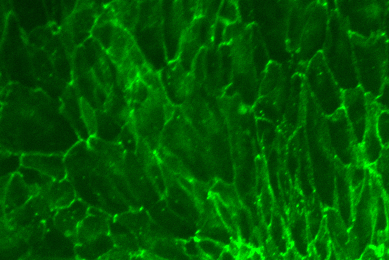
hTERT-immortalized Cells
Human telomerase reverse transcriptase (hTERT) immortalized primary cells represent a breakthrough in cell biology research that combines the in vivo nature of primary cells with the traditional cell line's ability to survive continuously in vitro.
More