
The Brucella genus: Key species and their hosts
Brucella species are host-adapted, often targeting reproductive organs and causing infertility and abortions in animals.3 Human infection typically occurs through contact with infected animals, consumption of unpasteurized dairy, or inhalation of aerosols.1 Among the most significant species:
- B. melitensis – primarily affects goats and sheep
- B. abortus – targets cattle and is a major cause of bovine brucellosis
- B. suis – infects pigs and poses significant zoonotic risk3
- B. canis – affects dogs with moderate pathogenicity
- B. ovis – infects sheep but is not typically zoonotic3
- Wildlife and marine species like B. neotomae, B. ceti, and B. pinnipedialis continue to emerge as organisms of interest due to their evolving host ranges.3
This diversity underscores the need for standardized, authenticated strains to support diagnostics, surveillance, and comparative genomics.
ATCC Brucella strains: Reliable tools for research and diagnostics
ATCC provides a curated selection of authenticated, genome-sequenced Brucella strains that support diagnostics, vaccine development, and agricultural health. A key example is Brucella ovis (ATCC® 25840™), a type strain widely used in agricultural studies and maintained under Biosafety Level 2 conditions for accessible lab use.
These strains support diverse applications,2,3 including:
- Diagnostic assay development and validation
- Vaccine research for livestock and humans
- Pathogenesis studies, including intracellular survival and immune evasion
- Comparative genomics to explore evolutionary relationships and virulence factors
Culturing Brucella: Growth requirements and laboratory considerations
Brucella species are fastidious, requiring enriched media such as Brucella Agar Base or Trypticase Soy Agar supplemented with 5% sheep or horse blood. Selective options include Farrell’s, modified Thayer-Martin, or CITA medium. Cultures are incubated at 35°C in 5–10% CO2, with colonies appearing in 48–72 hours, though some strains may require up to 21 days. These demanding growth requirements highlight the importance of using authenticated strains to ensure consistency across studies.
Maintaining microbial integrity: ATCC’s cultivation standards
ATCC cultivates Brucella under stringent bioproduction protocols designed to ensure purity, viability, and biosafety. Strains are grown in specialized media that support their slow-growing, intracellular nature, and at each step—from revival to preservation—is overseen by trained biologists. This controlled process ensures that every culture meets rigorous standards for identity and performance, enabling researchers to work with reliable, reproducible materials for downstream applications in microbiology, veterinary science, and infectious disease research.
Advancing Brucella research through trusted biological standards
Brucella remains a daunting pathogen with complex host interactions and significant zoonotic potential.3 ATCC’s authenticated strains provide a robust foundation for advancing diagnostics, improving surveillance, and developing effective control strategies. This confidence is further strengthened by the ATCC Genome Portal (AGP), which pairs authenticated biomaterials with genomic and methylation data to support transparent, reproducible research. Whether the focus is molecular pathogenesis, vaccine development, or agricultural health, these standardized resources enable high-impact, reproducible research.2
Did you know?
ATCC's Brucella portfolio supports a wide range of applications, from diagnostic assay development and vaccine research to pathogenesis studies and comparative genomics.
Meet the author
Jeanette Rimbey, MS
ATCC Microbiology Supervisor, Laboratory Operations, ATCC
Jeanette Rimbey is the Supervisor of Microbiology in Laboratory Operations at ATCC, where she leads teams dedicated to producing high-quality microbial reference materials for the global research community. Her scientific background spans bacteriophages, driving research in microbial ecosystems, and antimicrobial therapeutics development, grounding her leadership in both technical depth and strategic insight.
Jeanette oversees a broad portfolio of BSL-1 and BSL-2 production workflows, driving scientific rigor, operational excellence, and continuous improvement. Beyond this, she is driving a culture of mentorship and continuous learning, strengthening collaboration, and advancing process innovation to ensure the consistency and impact of ATCC’s biological materials.
Explore featured resources
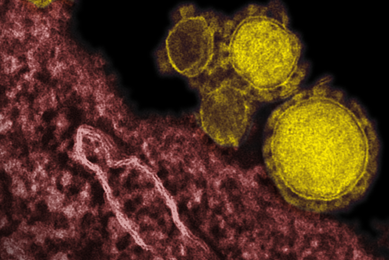
Infectious Disease Research
ATCC offers an extensive array of microorganisms and nucleic acids that promote research leading to the development of novel methods for detecting, minimizing, and treating infectious diseases.
More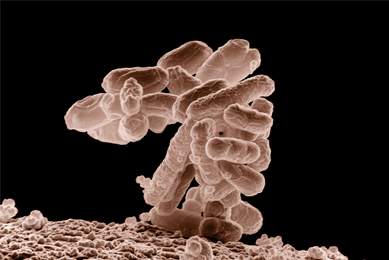
Bacteriology and Archaea
ATCC offers a variety of bacterial and archaeal strains with applications in a variety of research and industrial applications. Our growing portfolio includes antimicrobial-resistant strains, quality control organisms for commercial identification systems, a wide selection of extremophile strains, and genomic and synthetic DNA.
MoreDiscover the ATCC Genome Portal
The ATCC Genome Portal is a rapidly growing ISO 9001–compliant database of high-quality reference genomes from authenticated microbial strains in the ATCC collection. Through this cloud-based platform, you can easily access and download meticulously curated whole-genome sequences from your browser or our secure API. With high-quality, annotated data at your fingertips, you can confidently perform bioinformatics analyses and make insightful correlations.
MoreReferences
- Centers for Disease Control and Prevention. Brucellosis, 2024. Retrieved from https://www.cdc.gov/brucellosis/about/index.html
- Corbel MJ. Brucellosis in humans and animals. World Health Organization, 2006. Retrieved from https://www.who.int/publications/i/item/9789241547130
- Godfroid J, et al. Brucellosis at the animal/ecosystem/human interface at the beginning of the 21st century. Prev Vet Med 102(2): 118–131, 2011. PubMed: 21571380
- OIE (World Organisation for Animal Health). (2023). Brucellosis (Brucella abortus, B. melitensis and B. suis). Retrieved from https://www.oie.int/en/disease/brucellosis/
