
Acidithiobacillus ferrooxidans is a remarkable bacterium thriving in extremely acidic, metal-rich environments. Unlike most life forms, it gains energy by oxidizing iron and sulfur found in ores, powering its metabolic processes even at pH levels as low as 1. This environmental microorganism has emerged as a key player in biomining and bioleaching technologies thanks to its unique ability to mobilize a broad spectrum of elements, such as Li, P, V, Cr, Fe, Ni, Cu, Zn, Ga, As, Mo, W, Pb, U, and its role in ferrous iron oxidation and reduction.1-4 A. ferrooxidans catalyzes the extraction of elements by generating iron (III) ions in oxic conditions, which can react with metal sulfides. This ability makes it invaluable for bioleaching—the process of extracting metals like copper, gold, and uranium from low-grade ores without the environmental costs associated with traditional mining.
In practical mining, heaps of crushed ore are sprinkled with acidic solutions and inoculated with A. ferrooxidans. The bacteria catalyze the oxidation of iron and sulfur, producing ferric ions and sulfuric acid. These chemicals dissolve metal from the rock, enabling recovery through safe, efficient methods with minimal pollution. Impressively, bioleaching now accounts for about 5% and 15% of the world’s gold and copper production, respectively.5,6
Beyond mining, A. ferrooxidans plays a vital role in global nutrient cycles. It fixes atmospheric fixing carbon and nitrogen from the atmosphere and contributes to metal recycling in acidified environments. Its robust resistance to heavy metals and toxic compounds makes it a promising agent for cleaning up contaminated sites.7-10
Genetic and biochemical studies reveal this microbe’s extraordinary adaptability: it forms biofilms, survives oxidative stress, and precisely regulates nutrient and metal uptake.10 However, its power must be harnessed responsibly—uncontrolled bioleaching can lead to acid mine drainage, posing serous ecological risks. Looking ahead, the unique capabilities of A. ferrooxidans may support sustainable resource extraction not only on Earth but potentially on other plants, offering cleaner alternatives to conventional mining methods.
Did you know?
ATCC's bacteriology collection includes 13 strains of Acidithiobacillus ferrooxidans, including the type strain.
Meet the author
Leka Papazisi, DVM, PhD
Principal Scientist, Product Lifecycle Management, Research and Industrial Solutions, ATCC
Dr. Papazisi joined ATCC in 2019. His main responsibility is product development, from asset inception through lifecycle management. While at ATCC, Dr. Papazisi led the Microbiology R&D team in developing several new products, including a proprietary nucleic acid storage buffer formulation and various diagnostics control materials. In addition to technical leadership, his responsibilities include talent management, new product innovation, and management of internal and external cross-functional activities. Before joining ATCC, Dr. Papazisi worked for OpGen (2018-2019), Canon U.S. Life Sciences (2011-2018), and J. Craig Venter Institute (2003-2011). At OpGen, he directed the implementation of an antimicrobial-resistance surveillance system for the state of New York. While at Canon US Life Sciences, his main responsibility was the development of PCR-based assays and assay controls for detecting human inherited diseases and infectious agents—launching with his team ca. 700 products. At the JCVI, Dr. Papazisi led a variety of comparative genomic projects of several biothreat agents. During his academic career at the U. of Connecticut and Vet Med U. of Vienna, Dr. Papazisi studied genomics, virulence factors, and vaccine design for mycoplasmas as well as molecular profiling of Salmonella.
Explore our featured resources
Bioremediation
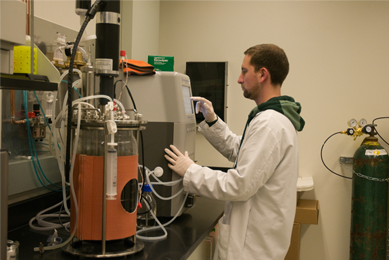
We have a variety of microbiological strains for use in research on the bioremediation of contaminated soil and industrial waste sites.
More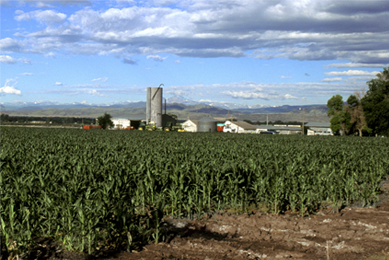
Environmental
Identifying microbial pathogens in water and soil through environmental testing is essential for protecting human health. Ensure the accuracy and reproducibility of your detection assays with authenticated, high-quality reference materials from ATCC.
More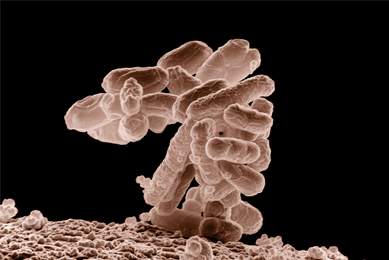
Bacteriology and Archaea
ATCC offers a variety of bacterial and archaeal strains with applications in a variety of research and industrial applications. Our growing portfolio includes antimicrobial-resistant strains, quality control organisms for commercial identification systems, a wide selection of extremophile strains, and genomic and synthetic DNA.
MoreReferences
- Johnson DB. Biomining—biotechnologies for extracting and recovering metals from ores and waste materials. Curr Opin Biotechnol 30: 24-31, 2014. PubMed: 24794631
- Berhe GG, et al. Acidithiobacillus ferrooxidans Leaching of Silica‐Sulfide Gold Ores from May‐Hibey Deposits, Tigray, Ethiopia. Meshram P, ed. Int J Chem Eng 2024(1): 5611117, 2024.
- Chaka KJ, Rupprecht SM. Thiosulfate leaching in carbonaceous gold-bearing ores in Ethiopia. Sci Rep 14(1): 22952, 2024. PubMed: 39362895
- Tonietti L, et al. Unveiling the Bioleaching Versatility of Acidithiobacillus ferrooxidans. Microorganisms 12(12): 2407, 2024. PubMed: 39770610
- Brierley CL, Brierley JA. Progress in bioleaching: part B: applications of microbial processes by the minerals industries. Appl Microbiol Biotechnol 97(17): 7543-7552, 2013. PubMed: 23877580
- Dresher WH. Producing Copper Nature’s Way: Bioleaching (Copper Applications in Mining & Extraction). Innovations. Published online May 2004. https://www.copper.org/publications/newsletters/innovations/2004/05/producing_copper_natures_way_bioleaching.html
- Işıldar A, Vet al. Two-step bioleaching of copper and gold from discarded printed circuit boards (PCB). Waste Manag 57: 149-157, 2016. PubMed: 26704063
- Priya A, Hait S. Extraction of metals from high grade waste printed circuit board by conventional and hybrid bioleaching using Acidithiobacillus ferrooxidans. Hydrometallurgy 177: 132-139, 2018.
- Fashola M, Ngole-Jeme V, Babalola O. Heavy Metal Pollution from Gold Mines: Environmental Effects and Bacterial Strategies for Resistance. Int J Environ Res Public Health 13(11): 1047, 2016. PubMed: 27792205
- Valdés J, et al. Acidithiobacillus ferrooxidans metabolism: from genome sequence to industrial applications. BMC Genomics 9(1): 597, 2008. PubMed: 19077236
