
Protocols for the in vitro culture of the zoonotic malaria parasite Plasmodium knowlesi
ASM Microbe 2026
Washington, DC, United States
June 05, 2026Abstract
Plasmodium knowlesi is an emerging zoonotic malaria parasite causing severe human infections in Southeast Asia, characterized by high parasitemia, a rapid 24‑hour erythrocytic cycle, and frequent coinfection with P. falciparum and P. vivax. Continuous in vitro culture of non‑falciparum human malaria parasites remains technically challenging, limiting experimental reproducibility and downstream applications. Here, we describe protocols for adapting two P. knowlesi strains to long‑term in vitro culture using host‑specific erythrocytes under defined hematocrit and gas conditions. Parasites were cultured at 2-4% hematocrit in RPMI‑based media supplemented with horse serum and/or AlbuMAX under low‑oxygen conditions. One strain was successfully adapted to human erythrocytes, demonstrating sustained asexual replication, stable growth across serial passages, parasitemia exceeding 11% by day 20, and the successful generation of cryopreserved seed stocks. In contrast, the second strain exhibited host‑cell restriction. It could not be maintained in human erythrocytes but was successfully propagated in rhesus macaque erythrocytes under reduced oxygen conditions, reaching parasitemia >10%. These findings highlight strain‑dependent host specificity and define optimized culture conditions that support robust parasite growth, long‑term maintenance, and preservation. These optimized culture conditions expand available resources for P. knowlesi research and enable its application in downstream experimental systems. Given the comparatively high reported transfection efficiencies of P. knowlesi relative to P. falciparum, these culture systems provide a robust platform for advancing molecular studies of zoonotic malaria parasites.
Download the poster to explore the adaption of Plasmodium knowlesi to long-term in vitro culture
DownloadPresenter
Amel Ahmed, PhD
Scientist, MR4 laboratory, ATCC
Amel Ahmed, PhD, is a Scientist in the MR4 laboratory at ATCC, where she has served since joining the organization in 2011 as a Senior Biologist in the BEI Resources-MR4 lab. With more than 25 years of experience in infectious disease research, her expertise includes parasitology, molecular biology, drug discovery, and the development of standards for biomedical research. Her work at ATCC focuses on malaria parasite authentication, antimalarial drug sensitivity profiling, rodent malaria line production, and research and development to advance new products and tools for the field. Dr. Ahmed is accomplished in generating and applying new protocols and technologies, with expertise in study design, data collection and analysis and is actively participating in R&D within ATCC Federal Solutions through IRAD projects. Recent publications include an article demonstrating how interactions among parasite lineages within a single malaria isolate contribute to phenotypic variation and evolutionary change (International Journal for Parasitology: Drugs and Drug Resistance 2021; 15:152–161) and another article highlighting the drug susceptibility profiles of these >100 malaria strains isolates available in BEI (Antimicrobial Agents & Chemotherapy: Experimental Therapeutics 2024; 68(10):e0118923. doi:10.1128/aac.01189-23) which provides valuable information to assist current and prospective users of BEI Resources in making data-driven requests of isolates to meet their research needs. Dr. Ahmed earned her PhD in Biochemistry and Molecular Biology from the University of Khartoum in a joint program with the University of Edinburgh, UK.
Explore our featured resources
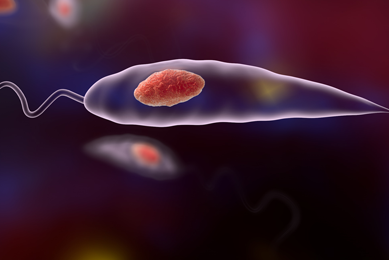
Parasitic Protozoa
Parasitic protozoa invade the tissues and cells of humans and other animals, causing disease. To support research of these threatening pathogens, ATCC offers approximately 1,000 strains of parasitic protozoa representing various organisms.
More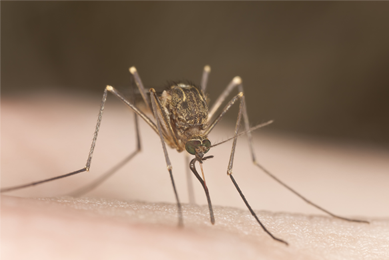
Vector-borne Diseases
To aid in vector-borne disease research, ATCC has compiled a collection of microbial species known to be transmitted by arthropod vectors.
More
Federal Solutions
Support for federal agencies through contracts focused on global health and infectious diseases, biodefense, chronic diseases, clinical study support, global logistics, and biorepository establishment/maintenance.
More