
Gas-Luc2 Reporter Cell Lines Enable Sensitive Detection of Interferon-Gamma Signaling for Immune Activation and CAR-T Evaluation Across 2-D and 3-D Systems
American Association for Cancer Research® (AACR) Annual Meeting 2026
San Diego, California, United States
April 22, 2026Abstract
Background
Interferon-gamma (IFN-γ) is a key cytokine regulating cellular immune activation and is widely used as a functional biomarker in immunotherapy development. Standard ELISA method has limited sensitivity for early, low-level IFN-γ detection and does not effectively capture paracrine signaling in three-dimensional (3-D) models. To address these limitations, we developed IFN-γ–responsive luciferase reporter cell lines driven by a gamma-interferon activation site (GAS) promoter.
Methods
Three cancer cell lines with high endogenous expression of checkpoint ligands (PD-L1, CD155, B7-H3) were engineered with a GAS-Luc2 construct. An additional GAS-Luc2 reporter cell line was generated from THP-1 cells for monocyte- and macrophage-related applications. Reporter activity was evaluated after stimulation with recombinant IFN-γ, T cell-conditioned media, and co-culture with primary T or NK cells. Assays were performed in 2-D and 3-D systems and compared with IFN-γ ELISA. CAR-T cells were also evaluated using both methods.
Results
Reporter cells showed strong dose-dependent luciferase expression, with 100- to 250-fold increases after recombinant IFN-γ treatment and 50- to 100-fold induction with T-cell conditioned media. Co-cultures with primary immune cells produced 3- to 12-fold activation. Reporter signals remained robust in 3-D models and detected IFN-γ levels below the ELISA detection limit. In CAR-T assays, reporters identified early and low-level cytokine signaling not measurable by ELISA.
Conclusions
GAS-Luc2 reporter cell lines provide a sensitive, quantitative, and scalable platform for monitoring IFN-γ signaling. Their superior performance over ELISA, especially for early activation and 3-D applications, supports their utility in immunotherapy evaluation, immune checkpoint studies, and CAR-T functional assessment.
Download the poster to explore the use of GAS-Luc2 reporter cell lines for monitoring IFN-γ signaling
DownloadPresenter
Hyeyoun Chang, PhD
Scientist, ATCC
Hyeyoun Chang, PhD, is a Scientist in the Immuno-oncology group of the R&D department at ATCC. She has extensive experience in the fields of biomedical engineering and cancer biology that focuses on drug delivery, intracellular signaling, and gene therapy. Prior to joining ATCC, Dr. Chang received her PhD in biomedical engineering from Korea University of Science and Technology and completed her postdoctoral training at Dana-Farber Cancer Institute/ Harvard Medical School.
Explore our featured products
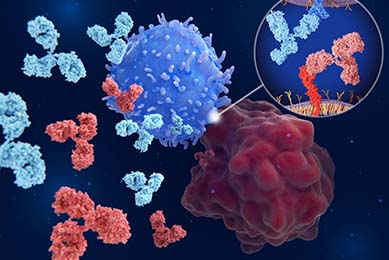
Checkpoint Luciferase Reporter Cells
ATCC created tumor and immune cell lines with high endogenous expression of checkpoint inhibitory and co-stimulatory expression levels. Learn how you can integrate these reporter cells in the development of new checkpoint inhibitors for immuno-oncology drug discovery.
More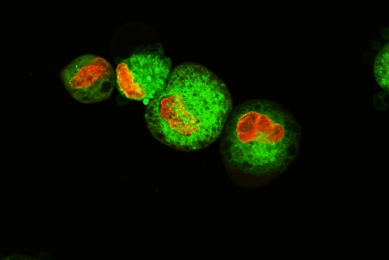
CAR-T Target Luciferase Reporter Cells
ATCC generated luciferase reporter solid and liquid tumor cell lines that express tumor antigens such as CD19, CD20, and HER2. Learn how you can incorporate these target cells into your T-Cell cytotoxicity assays to enable your breakthroughs in immuno-oncology.
More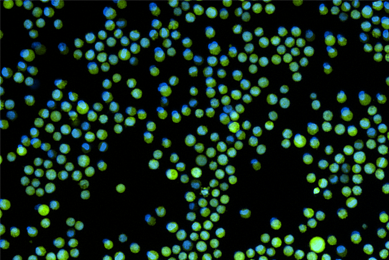
Reporter-labeled Cells
To save you time and the expense associated with the development of reporter-labeled cells, ATCC has incorporated expression vectors harboring fluorescence, luciferase, or β-galactosidase reporter genes into a variety of clinically relevant cell lines.
More