
At ATCC, the authentication, safety, and traceability of biological materials are fundamental to our mission. This is especially important when working with spore-forming filamentous fungi such as Aspergillus species, which presents unique considerations, including highly aerosolizable conidia, species and strain variability, and potential pathogenicity or toxin production.
This article provides practical, research-ready guidelines for working with Aspergillus in the laboratory—from selecting appropriate media to maintaining consistent growth conditions that support stable and reliable colony development. When these fundamentals are in place, the depth and diversity of the ATCC Aspergillus strain collection become especially valuable, providing researchers with trusted, well-characterized reference strains that strengthen experimental outcomes and advance scientific discovery.
Understanding conidia: A defining feature of Aspergillus biology
Conidia, the asexual spores produced by Aspergillus, are lightweight, hydrophobic, and readily aerosolized, contributing to the genus’s resilience and ubiquity. In laboratory settings, these same features underscore the importance of responsible handling, as conidia can become airborne with minimal disturbance. Their pigmentation, morphology, and abundance also serve as useful phenotypic markers for species identification and quality assessment. In many species, conidia also contribute to environmental persistence, enabling Aspergillus to withstand desiccation and survive on surfaces for extended periods. A clear understanding of conidial structure and behavior is essential for controlled, reproducible Aspergillus workflows.
Practical guidance for Aspergillus cultivation
Successful Aspergillus cultivation relies on appropriate media selection, controlled environmental conditions, and careful handling practices. Nutrient-rich agar formulations such as Malt Extract Agar (MEA) and Czapek Dox agar support characteristic colony development, and most species grow best between 25°C and 37°C under high humidity. Point-source inoculation helps achieve uniform morphology, and mild surfactants like Tween 80 can be added to suspensions to counteract the hydrophobic nature of conidia.
Troubleshooting tip: If colonies appear sparse or fail to sporulate, first check whether the plate has dried out, as low humidity is a common cause of poor conidial development; restoring moisture in the incubator or preparing fresh plates typically resolves the issue. Additionally, ensure plates are incubated undisturbed, since excessive handling or vibration can disrupt early hyphal development and alter colony morphology.
Because conidia are easily aerosolized, all work should be conducted within a certified biosafety cabinet. Culture plates should remain sealed when not in use, and work surfaces must be thoroughly decontaminated with appropriate disinfectants. For long-term preservation, Aspergillus strains are commonly stored as glycerol stocks at -80°C to minimize genomic drift and maintain alignment with original reference strain characteristics. Collectively, these practices ensure that cultures remain stable, traceable, and reliable for downstream research and quality control applications.
What makes ATCC’s Aspergillus collection unique for research and quality control
ATCC’s Aspergillus collection stands out for its taxonomic accuracy, genomic validation, and relevance to applied research and regulatory testing. At its center is Aspergillus brasiliensis strain WLRI 034(120) (ATCC® 16404™), a genome-sequenced, taxonomically validated reference strain widely used in food testing, media performance evaluation, bioremediation workflows, and pharmaceutical quality control programs. Each strain is preserved under carefully controlled conditions, including cryoprotectant supported freeze drying and refrigerated storage, to ensure long-term genetic integrity and phenotypic consistency. Supported by comprehensive documentation and quality system oversight, ATCC-authenticated Aspergillus strains provide a trusted foundation for reproducible, high-confidence research.
Beyond A. brasiliensis, ATCC maintains a diverse, application-driven portfolio of Aspergillus strains used across infectious disease, industrial biotechnology, environmental monitoring, and mycotoxin studies, including:
- Aspergillus fumigatus strain NRRL 163 (ATCC® 1022™) – widely used in infectious disease, respiratory biology, and agricultural research.
- Aspergillus niger strain A1144 3528.7 (ATCC® 1015™) – a genome-sequenced strain commonly used for studying carbohydrate-active enzymes and hydrolytic pathways.
- Aspergillus flavus strain NRRL 3357 (ATCC® 200026™) – an environmental isolate frequently used in plant-associated and mycotoxin biosynthesis research.
Advancing safe and reliable Aspergillus science with ATCC
Aspergillus research thrives on consistency, safety, and scientific rigor. By understanding conidial biology, prioritizing proper handling techniques, and using authenticated Aspergillus reference strains, researchers can generate high-quality, reproducible data that withstands scientific scrutiny. ATCC’s curated Aspergillus collection supports discovery and quality assurance across biotechnology, environmental science, food safety, and molecular biology. Together, these resources enable researchers to explore the full potential of this essential genus with confidence, precision, and long-term reliability.
Did you know?
ATCC has over 1,400 strains of Aspergillus spanning over 200 species.
Meet the author
Jeanette Rimbey, MS
ATCC Microbiology Supervisor, Laboratory Operations, ATCC
Jeanette Rimbey is the Supervisor of Microbiology in Laboratory Operations at ATCC, where she leads teams dedicated to producing high-quality microbial reference materials for the global research community. Her scientific background spans bacteriophages, driving research in microbial ecosystems, and antimicrobial therapeutics development, grounding her leadership in both technical depth and strategic insight.
Jeanette oversees a broad portfolio of BSL-1 and BSL-2 production workflows, driving scientific rigor, operational excellence, and continuous improvement. Beyond this, she is driving a culture of mentorship and continuous learning, strengthening collaboration, and advancing process innovation to ensure the consistency and impact of ATCC’s biological materials.
Explore our featured resources
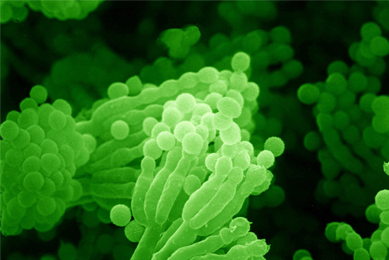
Mycology
Mycology strains are vital for advances in biomedical, pharmaceutical, and commercial research, which is why ATCC offers a vast collection of antimicrobial-resistant fungal strains, quality control organisms, and genomic fungal DNA.
More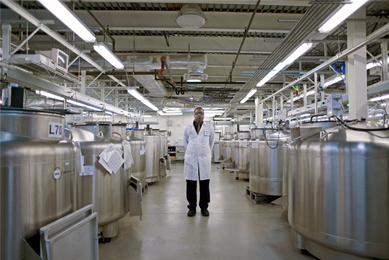
Fungal Cryopreservation
Ready-to-use microbial freeze media enable the rapid inoculation and preparation of cryopreserved cultures.
More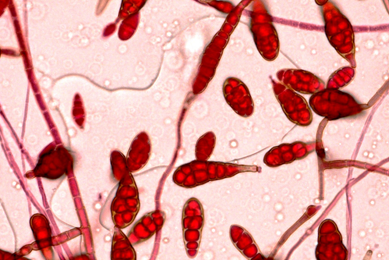 Culture guide
Mycology Culture Guide
Get a detailed mycology guide on the growth, handling, propagation, preservation, and application of yeasts and filamentous fungi.
MoreReferences
- Alfa Chemistry. (n.d.). Czapek‑Dox medium preparation and use: A detailed laboratory protocol for fungal cultivation. https://www.alfa-chemistry.com/resources/czapek-dox-medium-preparation-and-use-a-detailed-laboratory-protocol-for-fungal-cultivation.html
