
At ATCC, we routinely work with notable microaerophilic genera such as Helicobacter, Neisseria, and Campylobacter. Whether you're establishing a new protocol or troubleshooting a stubborn culture, understanding the specific needs of these organisms is key to successful growth. In this post, I’ll share the best practices we follow at ATCC for cultivating microaerophiles—and how these approaches are tailored to meet the unique requirements of different genera.
Optimizing microaerophilic growth: ATCC-based culturing techniques
Atmosphere
Creating the right environment starts with controlling oxygen and carbon dioxide levels. These organisms thrive in atmospheres with significantly lower oxygen than ambient air. Use reliable gas-generating systems or incubators with atmospheric regulation. For highly sensitive species, anaerobic jars with GasPak sachets (BD) offer a stable microaerobic atmosphere by chemically reducing oxygen and increasing CO2. Combined with proper temperature control and tailored media, atmospheric regulation becomes a cornerstone of successful cultivation.
A nod to tradition: The candle jar method – Before modern gas control systems, microbiologists used candle jars. A lit candle inside a sealed container consumed oxygen and raised CO2 levels, creating a low-oxygen environment suitable for growth. Though largely obsolete today, this method laid the groundwork for atmospheric control in microbial cultivation.
Media conditions
Media temperature plays a critical role. Always pre-warm media to incubation temperature (typically 35–37°C). Cold media can shock cells, delay growth, or prevent colony formation. Pre-warming ensures a smooth transition into the growth phase and promotes consistent results.
Biphasic growth
Some species benefit from biphasic setups, combining solid and liquid media in the same vessel. This allows bacteria to adhere to surfaces while proliferating at the liquid-air interface where oxygen levels are naturally lower. Mimicking environmental conditions found in host tissues or natural habitats, biphasic systems enhance cell viability and reproducibility.
Exploring microaerophilic genera: ATCC-based cultivation strategies
Culturing microaerophilic bacteria requires attention to their distinct physiological needs. Here’s how ATCC approaches three key genera:
-
Helicobacter species grow best in biphasic cultures, which mimic their natural mucosal environments. Tubes or flasks containing both solid and liquid media allow cells to adhere while accessing nutrients at the liquid-air interface.
-
Neisseria species are fastidious and thrive on chocolate agar in a 5% CO2-enriched atmosphere. Their growth depends on precise nutrient composition and incubation conditions.
-
Campylobacter species prefer enriched media like Brucella broth or tryptic soy agar supplemented with sodium formate, fumarate, pyruvate, cysteine, or ferrous sulfate—additives that support their metabolism and microaerophilic growth.
Across all three genera, maintaining the appropriate temperature and humidity and using freshly prepared media are essential for successful isolation and propagation—standards consistently upheld in ATCC’s cultivation protocols.
Advancing microaerophilic growth with ATCC best practices
Cultivating microaerophilic bacteria involves more than maintaining low-oxygen environments—it requires a deep understanding of the biological characteristics unique to each genus. By customizing media, atmosphere, and incubation protocols, researchers can achieve consistent growth and reproducible outcomes. These refined practices support accurate microbial identification and improve downstream reliability.
ATCC facilitates this process by offering authenticated strains, validated protocols, and expert support to promote standardized cultivation. To explore these techniques in greater detail, I invite you to watch the webinar, ATCC’s Best Practices for Optimal Growth and Propagation of Bacteria and Bacteriophages, where I share practical guidance on media selection and atmosphere control for successful microaerophile cultivation.
I also recommend that you explore the ATCC Genome Portal. The ATCC Genome Portal offers access to high-quality genomic data and metadata for numerous bacterial species and currently includes 100+ Campylobacter strains, 90+ Neisseria strains, and 30+ Helicobacter strains.
Did you know?
ATCC offers hundreds of microaerophilic strains spanning numerous genera like Helicobacter, Borrelia, Campylobacter, and more!
Explore our bacteriology portfolio
Meet the author
Jeanette Rimbey, MS
ATCC Microbiology Supervisor, Laboratory Operations, ATCC
Jeanette Rimbey is the Supervisor of Microbiology in Laboratory Operations at ATCC, where she leads teams dedicated to producing high-quality microbial reference materials for the global research community. Her scientific background spans bacteriophages, driving research in microbial ecosystems, and antimicrobial therapeutics development, grounding her leadership in both technical depth and strategic insight.
Jeanette oversees a broad portfolio of BSL-1 and BSL-2 production workflows, driving scientific rigor, operational excellence, and continuous improvement. Beyond this, she is driving a culture of mentorship and continuous learning, strengthening collaboration, and advancing process innovation to ensure the consistency and impact of ATCC’s biological materials.
Explore our featured resources
Bacteriology and Archaea
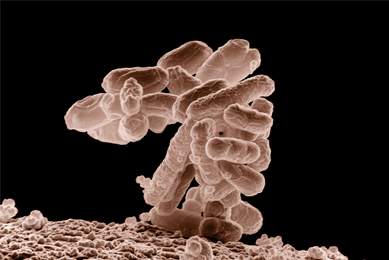
ATCC offers a variety of bacterial and archaeal strains with applications in a variety of research and industrial applications. Our growing portfolio includes antimicrobial-resistant strains, quality control organisms for commercial identification systems, a wide selection of extremophile strains, and genomic and synthetic DNA.
More Culture guide
Bacteriology Culture Guide
Get expert tips on culturing bacteria including essential information about bacterial growth, propagation, preservation, and application.
MoreOvercoming the Challenges of Growing Anaerobic Bacteria
Explore the best approaches for achieving successful growth of anaerobic bacteria.
More
GasPak and BD are registered trademarks of Becton, Dickinson and Company.
