
Human cell lines are a critical biological resource. These in vitro models of human biology are used in biomedical research, toxicology studies, bioindustry, drug discovery, vaccine development, protein production, and a host of other applications. To fulfill this enormous need, ATCC offers the largest collection of cells in the world, with examples of diseased and normal cells from every tissue type found in the human body.
Additionally, the scientific community relies on standardized cell culture quality to feel confident in their research results. ATCC addresses this need by providing rigorous quality control in its manufacturing processes followed by thorough and validated cell authentication methods to confirm the identity of all human cells.
Discover why ATCC credible cell cultures are critical to the discovery, invention, and development of incredible scientific advances.
HepatoXcell™ Primary Human Hepatocytes
Discover how HepatoXcell™ provides a solution for your predictive drug development and toxicity testing.
More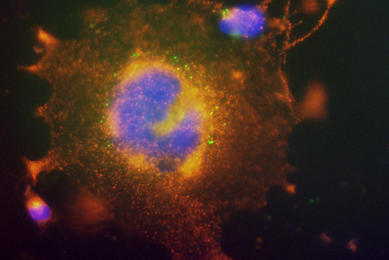
Cancer Panels
ATCC cancer panels consist of tumor cell lines from tissue of tumor origin and are annotated to become powerful cancer research tools.
More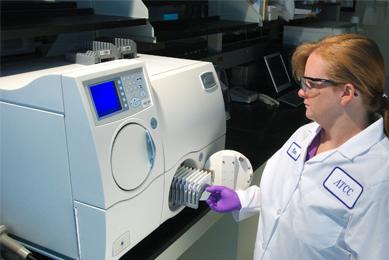
Certified Reference Materials
ATCC Certified Reference Material (CRM) helps you establish sensitivity, linearity, and specificity during assay validation or implementation and validating or comparing test methods.
More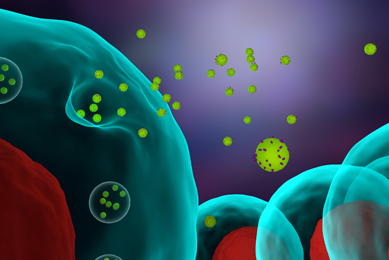
Exosomes
Exosomes are extracellular vesicles that are released from cells. Exosomes are important in cell-to-cell communication and as potential diagnostic tools in many diseases, including cancer.
More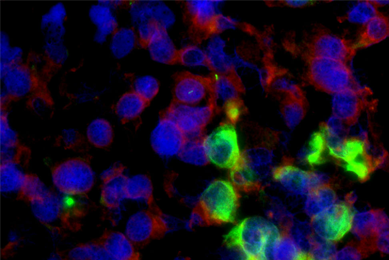
Genetic Mutants
Tumor cell lines become powerful research models and drug discovery tools when the genetic mutant or abnormalities that drive their phenotype are known.
More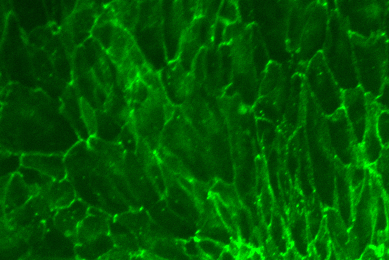
hTERT-immortalized Cells
Human telomerase reverse transcriptase (hTERT) immortalized primary cells represent a breakthrough in cell biology research that combines the in vivo nature of primary cells with the traditional cell line's ability to survive continuously in vitro.
MoreNucleic Acids
We provide ready-to-use nucleic acids from clinically relevant cell lines, allowing you to focus on your research and assay development. With genomic DNA from ATCC, you can trust that each preparation is fully authenticated and evaluated for integrity, purity, and quality using established techniques.
MorePrimary Cells
Traditional attention to quality, research, and science makes ATCC your most reliable source for primary cells to support cutting-edge research in tissue biology, stem cell biology, and regenerative medicine.
More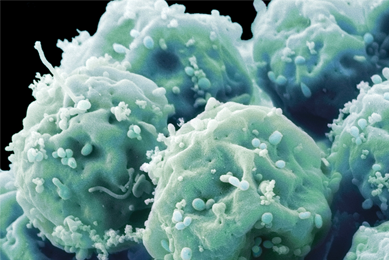
Stem Cells
ATCC has a vast portfolio of cultures to choose from, including mouse embryonic stem cells, human mesenchymal stem cells (MSC), and human iPS cells.
More

